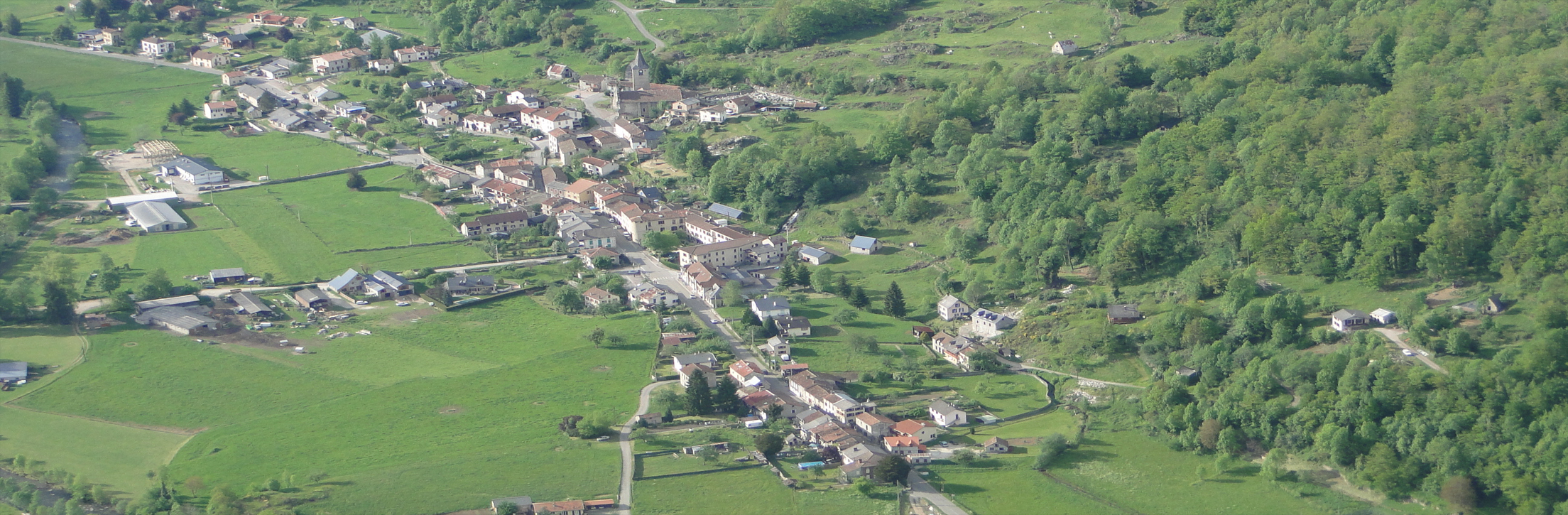

Located on the bed of an ancient lake, Ercé was formerly known as “Terro Sancto” (Holy Land) due to its many sanctuaries. Today, this large mountain village and its hamlets form a true green haven, crossed by the clear waters of the Garbet River.
4,075 ha
Unspoiled nature • mountain hamlets • stone terraces • hiking
1806: 3,687
1851: 3,232
1901: 2,723
1921: 1,703
1946: 1,043
1999: 532
2006: 537
2014: 533
Once part of the Viscounty of Couserans, the Saint-Pierre Chapel is believed to be one of the two original chapels of the region. In 1260, a charter granted by the Count of Couserans stated that inhabitants could not be dispossessed of their livestock or property without payment or consent.
The Viscounty of Couserans was dismantled in 1459, and its lordships were auctioned in 1491. Massat, Ercé and Oust were acquired by Arnaud Roger de Comminges.
Between 1800 and 1900, Ercé had nearly 3,000 inhabitants. This high population density caused extreme poverty and food shortages. Mountain slopes were transformed into stone terraces to allow farming (cereals, potatoes, fruit trees). Livestock farming was intensive, and each farmer owned one or several stone barns to store enough hay for winter.
Between 1850 and 1950, strong population growth and lack of land pushed some inhabitants to seek other activities such as bear training and peddling. The first bear trainers emigrated to the USA, and their success led to a wave of emigration. Even today, several restaurants in New York are said to be run by people from Ercé.
Life in the mountains remains demanding today. Lowland areas accessible to machinery are still used for farming, while old terraces are gradually reclaimed by the forest. Fortunately, the beauty and tranquility of the area attract tourism, and some people are returning to live here.

Published on 09/08/2019
Selected by La Dépêche du Midi, Ercé was voted the most beautiful village in Ariège in the NATURE category.
Former 18th-century castle, now Saint-Philippe Hospice…
Church of the Assumption (16th–17th c., listed monument)…
Saint-Pierre Chapel (11th c., listed monument)…
Other landmarks: Catalan forge, water mill, Bear Trainer Museum…


